
Resin Lab
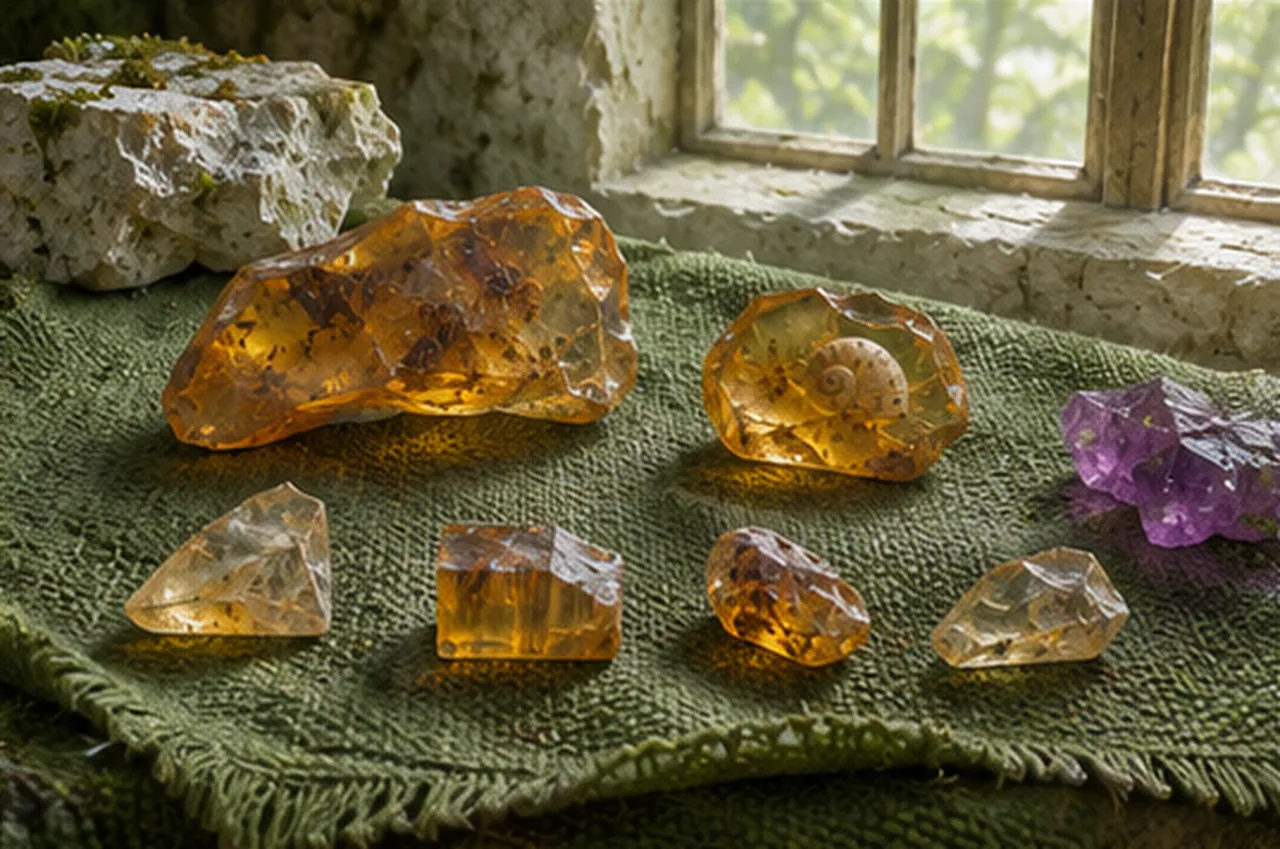
Assemble a small scene
Amdune Studios makes fictional excavation games about the moment a hidden object becomes understandable. The Resin Lab starts with a single position in the quarry or a particular block on the bench. We build a wide version and a close version together. The closer view takes away some clues and adds others. Checking that change early tells us which parts of the scene are carrying a decision.
Work the seams together
A systems designer lays out the possible actions and the points where a player can stop. A scene artist builds patterns that look different when a lamp moves across them. An interaction role tunes how easily the tool can be moved aside so that the player can look again. These are production roles in the prototypes. The same drawing can gather notes from all three roles before it reaches a test scene.
Record what people use
When a person explains an action, we compare their explanation with the parts of the picture available at the time. Someone may say the thin edge was bright but actually rely on a neighboring scratch. A change like that matters when it comes time to replace the lighting. We repeat the moment with a different color or with the audio muted and check whether the same choice is possible.
Join the wide and close pictures
The Shell Inside Amber has to make a tiny ridge important inside a whole block. The Last Vein Cut has to make the condition of one support clear across a much larger wall. Put the two cases next to each other and the difference is easy to see. One invites you to find the next opening. The other asks you to compare the exit with the place you are standing. That separation guides the number of angles available in each.
Keep a usable record
Handling Records gives individual decisions somewhere to stay visible after a layout changes. We can look at an older version of the scene when the same problem returns in another part of the quarry. Send a Specimen Card if a shadow, connection, or stage of a published illustration is hard to read. A clear reference to a visual feature is enough for the lab to find it again.